
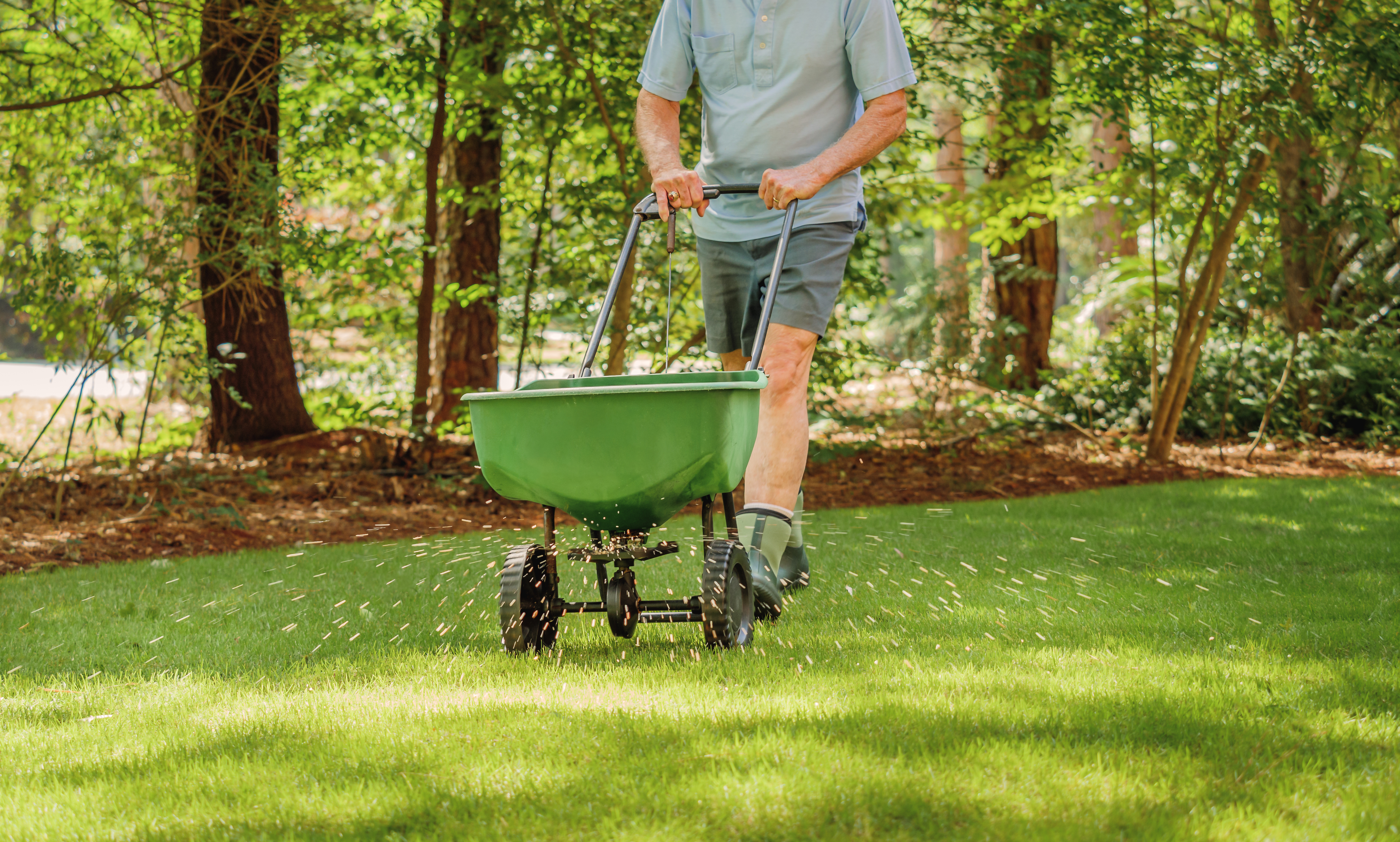
There’s nothing quite like a lush, green lawn to complement the beauty of your home. But achieving that perfect lawn takes more than just regular mowing and watering. For homeowners in Boulder, Colorado, fall is the ideal time to give your lawn the nutrients it needs to thrive. In this comprehensive guide, we’ll explore the benefits of fall lawn fertilization, provide practical tips for DIYers, and help you avoid common mistakes. Let’s get started!
Why Fall Lawn Fertilization is Essential in Boulder, Colorado
In Boulder, Colorado, the climate and soil conditions present unique challenges for lawn care. Fall fertilization is crucial because it prepares your lawn for the harsh winter months and sets the stage for a healthy, vibrant lawn in the spring. The cool-season grasses commonly found in Boulder benefit immensely from fall fertilization, as it helps them recover from the summer heat and build strong root systems.
Understanding Boulder’s Climate and Soil Needs
Boulder’s climate is characterized by hot summers, cold winters, and moderate precipitation. These conditions can stress your lawn, making it essential to provide the right nutrients at the right time. The soil in Boulder is often alkaline, requiring specific types of fertilizers to ensure optimal growth. Understanding these local factors is the first step in creating a successful lawn care routine.
The Impact of High Altitude
Boulder’s high altitude means stronger UV rays and less atmospheric protection. This can lead to increased stress on your lawn, making fall fertilization even more critical. By providing the necessary nutrients, you help your lawn withstand these challenging conditions.
Soil Composition
The soil in Boulder is typically clay-heavy, which can lead to poor drainage and compaction. Choosing the right fertilizer can improve soil structure, allowing for better water and nutrient absorption.
Seasonal Changes
Fall in Boulder brings cooler temperatures and increased moisture, creating the perfect environment for lawn fertilization. These conditions help the grass absorb nutrients more effectively, leading to stronger root development.
The Best Fertilizers for Fall in Boulder
When it comes to choosing the right fertilizer for your lawn, you have two main options: organic and synthetic. Each has its benefits and drawbacks, so let’s explore which might be best for your Boulder lawn.
Organic Fertilizers
Organic fertilizers are derived from natural sources such as compost, manure, and bone meal. They release nutrients slowly, improving soil structure and promoting long-term health. Some popular organic options include Milorganite and Espoma’s Organic Lawn Food.
Synthetic Fertilizers
Synthetic fertilizers are chemically formulated to provide immediate nutrient availability. They are often more affordable and can deliver quick results. However, they may not improve soil health in the long term. Scotts Turf Builder and GreenView Fairway Formula are excellent synthetic options for fall fertilization.
Choosing the Right Fertilizer
Consider your lawn’s specific needs and your long-term goals when selecting a fertilizer. Organic options are ideal for improving soil health and sustainability, while synthetic fertilizers offer fast, short-term benefits.
Step-by-Step Guide to Properly Fertilizing Your Lawn in Fall
Now that you’ve chosen the right fertilizer, it’s time to apply it correctly. Follow these steps to ensure your lawn gets the most benefit from fall fertilization.
1. Test Your Soil
Before fertilizing, it’s essential to know your soil’s nutrient levels. Use a soil testing kit to determine the pH and nutrient content. This information will help you choose the right fertilizer and avoid over-application.
2. Choose the Right Time
The best time to fertilize your lawn in Boulder is late September to early October. This allows the grass to absorb nutrients before the first frost. Avoid fertilizing too late, as it can promote new growth that may not survive the winter.
3. Apply the Fertilizer
Follow the instructions on your chosen fertilizer for application rates and methods. Use a broadcast spreader for even distribution, and water your lawn thoroughly after application to help the nutrients penetrate the soil.
Tips for DIYers: Tools and Techniques for Effective Fertilization
Fertilizing your lawn doesn’t have to be complicated. With the right tools and techniques, you can achieve professional results.
Essential Tools
Investing in quality tools can make the fertilization process more efficient and effective. Key tools include:
- Broadcast Spreader: Ensures even fertilizer distribution.
- Garden Hose: Helps water the lawn after fertilization.
- Rake: Prepares the soil for better nutrient absorption.
Techniques for Success
- Even Application: Walk at a steady pace and overlap slightly to avoid missed spots.
- Watering: Water your lawn lightly before and after fertilizing to help the nutrients settle into the soil.
- Consistent Maintenance: Regularly mow and aerate your lawn to keep it healthy and receptive to fertilization.
Safety Precautions
Always wear gloves and follow the manufacturer’s safety guidelines when handling fertilizers. Store them in a cool, dry place away from children and pets.
Common Mistakes to Avoid When Fertilizing Your Lawn in Fall
Even with the best intentions, it’s easy to make mistakes when fertilizing your lawn. Here are some common pitfalls to avoid.
Over-Fertilization
Applying too much fertilizer can burn your lawn and harm the environment. Stick to the recommended application rates and avoid the temptation to “double up” for faster results.
Incorrect Timing
Fertilizing too early or too late can reduce the effectiveness of the nutrients. Aim for late September to early October for optimal results in Boulder.
Poor Preparation
Failing to prepare your lawn properly can lead to uneven nutrient absorption. Ensure your soil is well-aerated and your lawn is free of debris before applying fertilizer.
The Long-Term Benefits of Fall Fertilization on Boulder Lawns
Investing time and effort into fall fertilization pays off in the long run. Here are some of the lasting benefits you’ll enjoy.
Healthier, Greener Lawn
Regular fall fertilization promotes strong root growth, leading to a healthier, greener lawn that can better withstand environmental stressors.
Improved Soil Structure
Both organic and synthetic fertilizers can improve soil structure, enhancing water retention and nutrient absorption. This results in a more resilient lawn.
Weed and Disease Resistance
A well-nourished lawn is less susceptible to weeds and diseases. Fall fertilization helps your grass outcompete invasive species and resist common lawn ailments.
Hiring Us for Professional Lawn Care and Fall Fertilization in Boulder, CO
At Grant Jacobs Yard Care, we understand that while DIY lawn fertilization can be rewarding, nothing beats the peace of mind and optimal results that come from hiring our professional service. Our team of lawn care experts brings the experience, knowledge, and tools necessary to nourish your lawn efficiently, ensuring it remains healthy and vibrant year-round.
Based in Boulder, CO, we pride ourselves on our personalized approach and commitment to excellent customer satisfaction. By choosing Grant Jacobs Yard Care, you’re guaranteed expert guidance tailored to your lawn’s unique needs, eliminating the guesswork in fertilization.
If you’re looking for exceptional fall fertilization services, we invite you to reach out to us to discuss your needs and schedule a consultation. Contact us today.
Conclusion
Fall lawn fertilization is a crucial step in maintaining a beautiful, healthy lawn in Boulder, Colorado. By understanding the unique needs of Boulder’s climate and soil, choosing the right fertilizer, and following proper application techniques, you can enjoy a lush, vibrant lawn year-round.
We hope this guide has provided you with valuable insights and practical tips for your lawn care routine. We’d love to hear about your experiences and any additional tips you might have. Feel free to share your thoughts in the comments below or reach out to our team for personalized advice.
Happy gardening!
Leave a Reply