
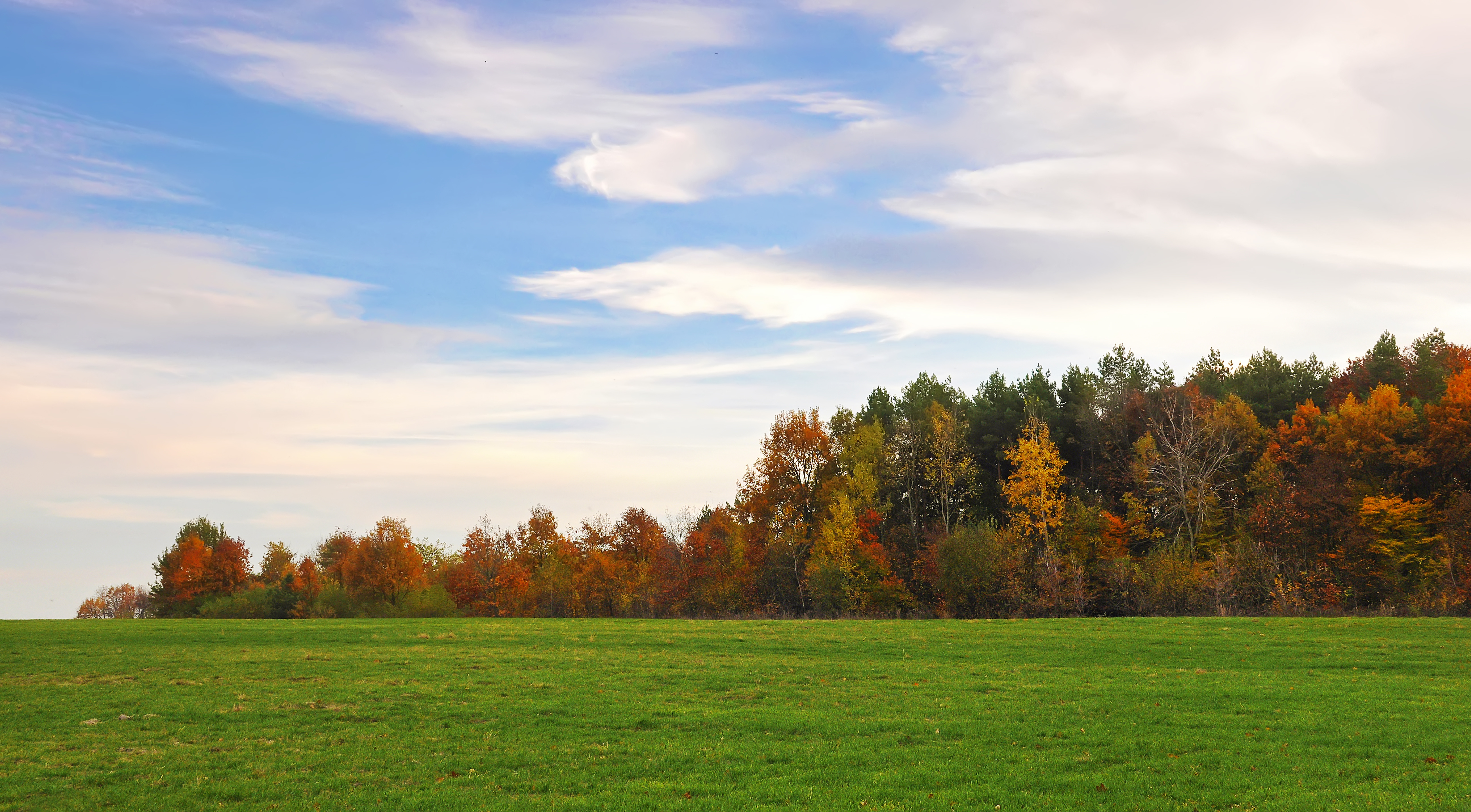
The best time to aerate lawn Colorado is early fall or spring. These seasons offer cooler temperatures and optimal moisture levels, giving your grass the best chance to recover and grow stronger. Timing your aeration can significantly improve lawn health, making it more resilient and vibrant.
Key Takeaways
- Lawn aeration is essential for Colorado lawns to alleviate soil compaction, improve nutrient accessibility, and promote healthier grass growth.
- The optimal times for aeration in Colorado are early fall and spring, as these seasons provide ideal conditions for recovery and growth.
- Key indicators that a lawn needs aeration include uneven growth, thick thatch, poor drainage, and hard soil, which can be addressed through proper aeration techniques.
Why Aeration is Important for Colorado Lawns

Lawn aeration is a critical practice for maintaining a healthier lawn. Aeration involves perforating the soil with small holes to allow air, water, and nutrients to penetrate the grass roots. This process reduces soil compaction, which is especially important in Colorado, where heavy clay soils are common. When soil becomes compacted, it restricts the movement of air and water, leading to poor grass health and growth.
Aeration also helps control thatch, a layer of dead grass and organic matter that can accumulate on the lawn’s surface. Excessive thatch can block essential nutrients and water from reaching the roots. Aeration breaks up the thatch layer, promoting better nutrient uptake, stronger root growth, and reducing weed competition, fostering a healthier lawn.
Additionally, aeration facilitates deeper penetration of water and fertilizers into the soil, enhancing plant growth. This means that your lawn will not only look better but will also be more resilient to environmental stressors like drought and heavy foot traffic. Overall, regular aeration is a cornerstone of effective lawn care, ensuring your Colorado lawn remains vibrant and robust throughout the year.
Optimal Seasons for Lawn Aeration in Colorado

Timing is everything when it comes to lawn aeration. In Colorado, the best seasons for aeration are early fall and spring, thanks to the cooler temperatures and favorable growing conditions. Aerating during these times ensures your lawn has the best chance to recover and thrive.
Early fall is often considered the prime time for aeration in Colorado. The cooler temperatures and increased moisture create an ideal environment for grass recovery and growth. Similarly, spring aeration can kickstart your lawn’s growing season, promoting quicker growth and nutrient absorption. However, it’s essential to avoid aerating during the hot and dry summer months, as this can stress the grass and hinder recovery.
Deciding between fall and spring aeration depends on various factors, including your lawn’s specific needs and the type of grass you have. Both seasons offer significant benefits, so understanding the differences can help you make an informed decision.
Early Fall Aeration
The best time to aerate lawns in the Denver metro area is early fall. This season provides optimal conditions for the process. The cooler temperatures and increased rainfall during this period provide ideal conditions for grass recovery and growth. Cool-season grasses like Kentucky bluegrass and tall fescue, which are common in Colorado, particularly benefit from aeration in early fall.
During early fall, these grasses experience a surge in growth, allowing them to recover quickly from the aeration process and develop stronger roots. Aerating in early fall gives your lawn the best chance to thrive before winter dormancy sets in.
Spring Aeration Benefits
Spring aeration is another excellent time to aerate your lawn, especially for those looking to jumpstart their grass’s growing season. This timing promotes quicker grass growth and recovery, significantly improving water and nutrient absorption.
With the onset of warmer weather, your healthy lawn can benefit from the enhanced nutrient uptake and develop a robust root zone system, setting the stage for a lush summer lawn while managing weed growth.
Comparing Fall vs. Spring Aeration
Consider the benefits and potential barriers of each season when comparing fall and spring aeration. Fall aeration, for instance, benefits from cooler temperatures and moisture, which are ideal for grass recovery and root development. On the other hand, spring aeration helps prepare your lawn for the growing season, promoting faster growth and nutrient absorption.
Many lawn care professionals recommend aerating at least once a year, regardless of the season, to maintain healthy grass. If your lawn has a thick thatch layer or experiences heavy foot traffic, you might need to aerate more frequently. Ultimately, the choice between fall and spring aeration depends on your lawn’s specific needs and conditions.
Key Indicators Your Lawn Needs Aeration

Recognizing the signs that your lawn needs aeration is crucial for maintaining its health. Some key indicators include uneven growth, bare patches, and an excessive thatch layer. Soil compaction, often caused by heavy foot traffic, lawn equipment, and clay soils, is a common issue in Colorado lawns.
If your lawn has heavy traffic areas, such as paths frequently used by pets or children, these spots may require more frequent aeration compared to other areas. Regular aeration helps alleviate soil compaction, ensuring your lawn remains healthy and vibrant.
Additionally, if your lawn struggles with water drainage or has hard soil, these are clear signs that aeration is needed. Compacted soil restricts the flow of water, nutrients, and oxygen to the grass roots, leading to weak and unhealthy grass.
Thinning Grass
Thinning grass is a common sign of soil compaction. When soil becomes compacted, grass roots struggle to penetrate the hard soil, leading to compromised root health and thinning grass. Signs of compacted soil include dry and hard soil, as well as the formation of puddles after heavy rain or irrigation.
Aerating the lawn strengthens roots and improves overall health, making it a crucial process for restoring lawn vitality. To enhance the benefits of aeration, consider combining it with fertilizing and seeding for optimal lawn recovery.
Thick Thatch Layer
Thatch is a layer of dead grass and organic matter that accumulates on top of the lawn, impacting its health by blocking nutrients and air. A thick thatch layer can prevent water and nutrients from reaching the soil, leading to weak and unhealthy grass. Aeration breaks down thatch by creating holes in the soil, promoting faster decomposition and better nutrient uptake.
Leaving soil cores on the lawn after aeration helps in breaking down thatch. These cores decompose naturally, enriching the soil with beneficial microbes and nutrients, ultimately enhancing the lawn’s health.
Poor Drainage and Hard Soil
Poor drainage and hard soil are significant indicators that your lawn needs aeration. Compacted soil hinders the flow of water, nutrients, and oxygen to the grass roots, making the grass weak and vulnerable to diseases, pests, and heat. Heavy clay soil in heavy traffic areas, such as those caused by pets, people, or machinery, are especially prone to soil compaction and can affect the soil surface.
Performing the screwdriver test can help determine soil compaction. If you encounter resistance when pushing a screwdriver into the soil, it’s a sign that the soil is compacted and needs aeration. In areas like Denver, where clay soil is prevalent, aerating helps improve drainage and access to essential growth components.
Preparing Your Lawn for Aeration

Proper preparation is key to maximizing the benefits of lawn aeration. Adequately moist soil and marking underground utilities or irrigation systems are crucial steps before aeration. These preparations enhance nutrient and water penetration, leading to a healthier lawn.
Leaving the cores on the lawn after core aeration can also help in breaking down thatch, as they decompose naturally and enrich the soil.
Watering Before Aeration
Watering the lawn before aeration is crucial for achieving better results. Soaking the soil ensures it is soft and pliable, making it easier for aeration equipment to penetrate and create deeper holes. It is recommended to water the lawn with about 1 inch of water two days in advance of aeration for optimal conditions.
Soaking the lawn a day before aeration aids in creating deeper holes and facilitates easier core removal. Effective watering leads to better aeration outcomes, enhancing overall lawn health.
Marking Sprinkler Heads and Utilities
Marking underground utilities is essential to avoid damage during the aeration process. Using flags to mark sprinkler heads and other obstacles ensures safer aeration and prevents costly repairs.
Marking irrigation systems and utility lines is crucial to avoid damage during aeration.
Post-Aeration Care Tips
Post-aeration care is just as important as the aeration process itself. Ensuring proper watering, fertilization, and seeding can significantly enhance the benefits of aeration. Regular aeration, ideally once or twice a year, aids in the natural breakdown of thatch to maintain healthy soil structure.
These post-aeration care tips will help your lawn recover quickly and maintain its health and vitality.
Leaving Cores on Lawn
After core aerating, it is advised to leave soil cores on the lawn rather than removing them. These cores decompose naturally, enriching the soil with beneficial microbes and nutrients, ultimately enhancing the lawn’s health.
Fertilizing and Seeding
Fertilizing and seeding immediately after aeration can significantly improve lawn health and growth. Applying fertilizer and grass seed immediately after aeration enhances growth and improves lawn health. Overseeding after aeration improves seed-to-soil contact, making it easier for new grass to grow.
A slow-release fertilizer after aeration ensures that grass receives a consistent nutrient supply, promoting a lush lawn. This helps nourish the grass and supports rapid recovery, leading to a healthier, more vibrant lawn.
Watering After Aeration
Watering soon after aeration supports recovery and promotes new growth. Watering to a depth of at least six inches post-aeration ensures moisture reaches the grass roots effectively, aiding in optimal recovery and growth.
Professional Lawn Aeration Services in Colorado

Professional lawn aeration services provide expertise that ensures effective soil aeration, optimizing lawn health and growth. Experts recommend aerating in both spring and fall for optimal root development. Companies like ours, Grant Jacobs Yard Care offer comprehensive lawn care services, including aeration.
Hiring professional services can save you time and ensure your lawn is aerated correctly, leading to a healthier lawn.
Summary
In conclusion, lawn aeration is a vital practice for maintaining a healthy and vibrant lawn in Colorado. By understanding the importance of aeration, recognizing the key indicators that your lawn needs it, and knowing the optimal times for aeration, you can ensure your lawn thrives throughout the year.
Remember to prepare your lawn properly before aeration and follow the post-aeration care tips to maximize the benefits. Whether you choose to aerate your lawn yourself or hire professional services, regular aeration will keep your lawn healthy and beautiful.
Frequently Asked Questions
When is the best time to aerate my lawn in Colorado?
The best time to aerate your lawn in Colorado is early fall and spring, as these periods provide cooler temperatures and optimal growing conditions for grass recovery.
How do I know if my lawn needs aeration?
If you notice thinning grass, poor drainage, hard soil, uneven growth, or an excessive thatch layer, it’s time to consider aerating your lawn. Addressing these issues will help promote healthier growth and improve overall lawn vitality.
Should I leave the soil cores on my lawn after aeration?
Leaving the soil cores on your lawn after aeration is beneficial, as it aids in breaking down thatch and enriching the soil with nutrients and microbes. This practice promotes healthier grass growth.
How often should I aerate my lawn?
It is advisable to aerate your lawn at least once a year, especially for lawns with moderate foot traffic, to ensure healthy grass growth.
Can I hire a professional service to aerate my lawn?
Yes, hiring a professional service for lawn aeration is a great choice, as they bring expertise that enhances soil health and promotes better growth. Here, at Grant Jacobs Yard Care, we specialize in aeration.
Leave a Reply